Published On: May 28, 2026
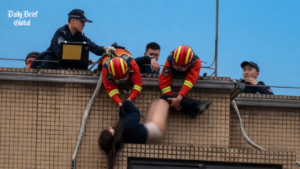
A viral video circulating across platforms like X and Instagram has recently brought a tragic high-rise incident in China into the global spotlight. The footage features an athletic individual clinging to a balcony railing several stories above the ground before losing his grip and falling to his death. While sensationalized narratives—often dubbing the individual “Huang Mao” and alleging a botched attempt to hide from a spouse—have garnered millions of views, an analysis of the event reveals a more complex reality that emphasizes the dangers of impulsive behavior during personal crises.
The Reality Behind the Viral Narrative
The digital discourse surrounding this event serves as a textbook example of how social media can rapidly alter and amplify narratives. Initial reports framed the tragedy as a consequence of infidelity, suggesting the man was hiding from a returning husband. However, evidence suggests a different scenario: reports linked to an incident in Chengdu around 2023 suggest the fall occurred during a heated dispute between a man and his live-in partner, potentially compounded by mental health challenges.
Official investigations at the time reportedly found no evidence of an extramarital affair. The conflation of unrelated gym selfies with the balcony footage illustrates a “fragmented media” effect, where online engagement often prioritizes a scandalous story over verified factual information.
High-Rise Hazards and the Physics of Risk
From a safety engineering and behavioral perspective, the use of residential balconies as a means of evasion or a medium for dramatic gestures is catastrophically risky. In densely populated urban areas, high-rise architecture is designed for structural efficiency, not for human egress in non-emergency situations.
Environmental Vulnerability: Balcony railings are designed for stabilization, not for weight-bearing or gripping while in a panicked state. The physics of free fall from multiple stories provides almost zero margin for error; even minor slips are usually fatal.
The “Panicked Evasion” Phenomenon: Under high-stress conditions, individuals may attempt “fight or flight” maneuvers—such as climbing outside a structure—that they would never consider when calm. This loss of executive function during personal conflicts is a major risk factor in residential safety.
The Fitness Fallacy: The victim’s status as a fitness trainer highlights a dangerous cognitive bias: the belief that physical athleticism acts as a safeguard against environmental hazards. As past incidents—such as the 2017 death of a trainer in Hong Kong—have demonstrated, superior muscle mass cannot compensate for the loss of balance and environmental stability when climbing railings.
Managing Domestic Tensions in Densely Populated Settings
Rapid urbanization in cities like Chengdu has brought unique strains to personal relationships, including work-related pressures and evolving social norms. When domestic disputes turn high-stakes, safety should remain the absolute priority:
Avoid Physical Evasion: Never attempt to hide on the exterior of a building or climb outside railings. If a situation feels dangerous, seek a standard exit through the door or call for professional emergency assistance.
De-escalation First: When conflicts escalate, the best tactical decision is to physically distance oneself through conventional means—leaving the room or the apartment—rather than engaging in dramatic gestures.
Prioritize Mental Health: If a conflict is driven by mental health distress, depression, or suicidal ideation, utilize local support systems such as the Beijing Suicide Research and Prevention Center or emergency line (120).
This tragedy serves as a sober reminder that physical fitness does not guarantee safety in moments of poor judgment. Beyond the immediate safety risks, the viral spread of this video highlights the necessity of media literacy. When we share sensationalized stories without verification, we contribute to the distortion of tragic events and the potential emotional harm to the families involved. We must prioritize facts, encourage de-escalation, and advocate for verified information in an age of fragmented digital content.
Disclaimer: This article is based on publicly available social media content and secondary reports. Details remain unconfirmed by official Chinese authorities, and the affair narrative appears largely anecdotal. This is not intended as legal or medical advice.
What safety measures do you think are most important in high-rise living or handling personal conflicts? Share your thoughts respectfully in the comments below.