Published On: May 31, 2026
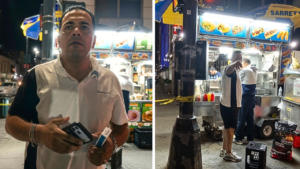
The recent physical confrontation between Captain Christopher George of the Brock Township Fire Department and a journalist from True North Transparency has ignited a fierce debate regarding the boundaries of public oversight, the role of emergency services in cultural events, and the right to film in public spaces. The incident, occurring outside Station 82 in Cannington, Ontario, took place during a “Drag Queen Story Time” event, a program that has become a lightning rod for societal disagreement across Canada.
THE ANATOMY OF A PUBLIC DISPUTE
The Confrontation: Captain George, a 37-year veteran of the fire service, was recorded physically approaching the journalist and using aggressive language while demanding that filming cease. The captain cited the interference with fire department operations as the justification for his conduct.
Legal Foundations: Under Canadian law, filming in public spaces is generally a protected right, provided that such activities do not obstruct the functioning of emergency services or create a safety hazard.
The Backdrop: The presence of an ambulance adorned with a pride flag, combined with the context of the Drag Queen Story Time, created an environment of heightened cultural sensitivity that catalyzed the confrontation.
INSTITUTIONAL AND CULTURAL FRICTION
The Role of Public Institutions: The incident has forced a public re-examination of whether tax-funded facilities, such as fire stations, should be utilized as venues for cultural programming, specifically those tied to diversity and inclusion initiatives.
Professionalism Under Scrutiny: Public officials, particularly those in emergency roles, are expected to maintain professional standards when faced with public documentation. The captain’s use of physical contact and inflammatory language has been characterized by critics as an abuse of authority.
Divided Communities: The event reflects a deeper societal schism; supporters view these programs as essential community outreach for diversity, while critics argue they are inappropriate for young audiences and represent a misuse of public resources.
STRATEGIC PROJECTIONS: TRANSPARENCY IN THE AGE OF VIRAL MEDIA
The “Transparency” Mandate: As independent media organizations continue to focus on public institution activity, departments will be forced to implement clearer, stricter policies regarding public interaction and the filming of their facilities.
Erosion of Deference: We project that the traditional deference historically shown to emergency service personnel will continue to diminish as public trust in institutions faces challenges from viral footage that highlights unprofessional conduct.
Legal Precedents: The outcome of this specific confrontation may influence future interpretations of what constitutes “obstruction” when a member of the public films on property that is public but also operates as an emergency service facility.
The Brock Township incident is a “Narrative-Compliance Collision.”. The institution attempted to enforce a private boundary on public space, while the journalist utilized that space to enforce public accountability. Until public institutions adopt a standardized, transparent approach to citizen engagement and filming, these high-friction encounters will continue to occur, serving as focal points for wider cultural disputes.
Is a 37-year career in public service invalidated by a single incident of unprofessional conduct when under scrutiny, or should the focus remain on the institutional policies that allowed this confrontation to escalate? Share your views on the balance between authority and public oversight.👇







Emergency services need to be neutral in these situations. Don’t dress up or paint the ambulance. Just show up if needed!
The chief deserves accolades.
The chief deserves applause.